
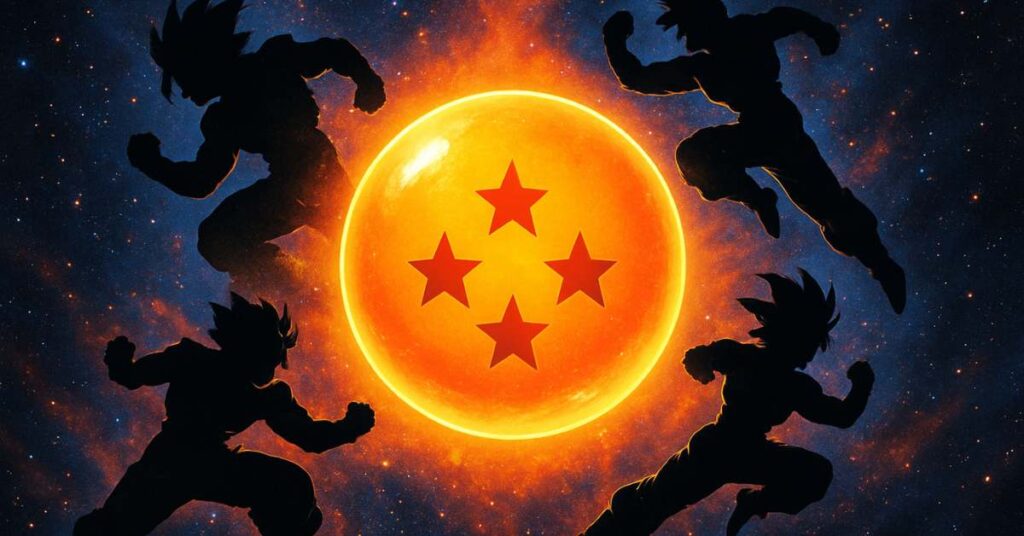
Kids today stream anime under the covers and right after school. Back in the 1990s, there was no instant access—just slow downloads and scheduled TV. Yet even in that world, Akira Toriyama’s work cut through, reshaping anime culture and inspiring fans across the globe. His career began with the quirky comedy Dr. Slump, a curious start that revealed his playful imagination. But it was Dragon Ball that transformed him into a legend, setting a new standard for anime and manga worldwide.
In this post, we’ll look at the creation of Dragon Ball, Toriyama’s art style and influence, and why his work continues to matter to animators today. Together, these pieces reveal how one artist’s vision built a legacy that still guides and inspires.
Who is Akira Toriyama?
Akira Toriyama wasn’t just a manga artist; he was the spark that lit a Super Saiyan–sized explosion in anime culture. Long before streaming marathons or conventions packed with cosplayers, Toriyama was reshaping expectations. His comedic series Dr. Slump revealed a playful imagination, but it was Dragon Ball that cemented his place as one of the most influential creators of all time.

The mix of humor, heart, and jaw-dropping battles became a formula millions knew by heart. That balance still guides how new artists think about character, stakes, and spectacle today.
The Creation of Dragon Ball
Dragon Ball debuted in 1984, inspired by the classic Chinese tale Journey to the West, but Toriyama gave it an entirely new flavor. He transformed a centuries-old story into a world of martial arts tournaments, cosmic villains, and wish-granting dragon orbs. The story invited fans to grow alongside its hero, turning cliffhangers into weekly rituals.
For many American fans, the experience often began in the 1990s. Picture kids with bowls of cereal, racing to catch the latest syndicated episode of Dragon Ball Z. The show wasn’t just entertainment—it was a ritual. Online forums and fan-subbed VHS tapes later spread the series like wildfire, proving Dragon Ball wasn’t just a hit. It was a movement.
Art Style and Influence
Toriyama’s art was deceptively simple, like a blueprint for how anime could capture both comedy and intensity. His clean lines, bold character silhouettes, and unforgettable expressions made his characters leap off the page. His style was like clear handwriting for a new language of anime—easy for anyone to read, yet profound enough to shape generations of artists.
You can see echoes of his influence in countless other series, but also in video games like Dragon Quest and Chrono Trigger, where his designs defined the look of entire franchises. What makes his art magical is that it feels welcoming to beginners while still being powerful enough to inspire professionals. For any artist picking up a pen, studying Toriyama’s characters is like learning the ABCs of visual storytelling.
Why Toriyama Matters to Animators
Toriyama’s work is proof that characters are more than just fighters—they’re mirrors for our own determination, curiosity, and humor. Goku wasn’t just a martial artist; he embodied the idea of always striving to improve, no matter how impossible the challenge. That lesson is why Dragon Ball shows up at anime conventions across the globe, where fans still cosplay, debate, and relive their favorite arcs.
For new animators, Toriyama’s legacy is a guide: focus on character, clarity, and story first. The effects will follow. His work demonstrates that timeless storytelling doesn’t rely on technology—it relies on heart.
Looking for more lessons from the legends of animation?
Master Animation Faster with Bloop Courses

Learn the Art of Animation— Step by Step

Final Thoughts
Akira Toriyama’s influence stretches from Saturday morning syndication to the bustling halls of today’s conventions. His characters, his humor, and his approach to storytelling shaped not only anime and manga, but the lives of fans worldwide. For beginners, his career is both an inspiration and a roadmap. He proved that with imagination and persistence, you can build worlds that cross cultures and stand the test of time.


